Wind or Water: Why Your Trees Look Stressed
When your trees start to look rough just as the yard is greening up, it can feel worrying. Brown leaves, curling edges, or random bare branches make it hard to tell if the problem is wind, water, or something else.
In the Edmonton area, trees get hit with chinooks, dry spells, and sudden windstorms, often in the same season. Both wind stress and drought stress can make leaves brown and drop, but the way they show up, and what your tree needs next, is very different. You do not need to be a scientist to start spotting the signs; you just need to know what to pay attention to.
At Bucks Tree Service, our ISA Certified Arborists work with local trees every day, so we see how our weather affects them. We will walk through simple visual clues you can notice from the ground to help you tell wind stress from drought stress, so you know when to keep an eye on things and when it is time to call a pro as part of your seasonal tree care.
How Wind Stress Shows Up in Edmonton Yards
Edmonton trees live with a lot of wind. Chinooks can bring warm, gusty air. Summer thunderstorms can roll through fast with strong bursts of wind. Open neighbourhoods, acreages, and new developments often have little wind protection, so trees take the full hit.
Wind stress is mostly about physical strain. The tree is being pushed, twisted, and sometimes torn. You will often see the damage on the side that faced the wind or on the outer canopy that caught the gusts first.
From the ground, you may notice:
- Broken or hanging branches, especially on the windward side
- Cracked limbs or fresh bark tears where branches join the trunk
- Branches that all seem swept or bent in one direction
- A trunk that leans more than it used to, or fresh cracks in the soil on one side of the base
- Leaves that look shredded, tattered, or browned mainly on one side or only on the outer tips
You might also see more subtle signs like:
- Soil that looks disturbed or heaved on one side of the base after a big storm
- A tree that seems to be listing or leaning more than it did before
Wind-damaged trees can be unpredictable. Wood that looks fine from the ground can be cracked inside. Limbs can drop without warning. Homeowners should not climb, cut, or pull on damaged branches, or try to “test” how solid a tree feels.
ISA Certified Arborists, like our team at Bucks Tree Service, are trained to assess structural damage safely from the ground and with proper equipment. We can recommend pruning, cabling, or removal when a tree has become a risk.
Recognising Drought Stress Before It Is Too Late
Drought stress is different. Instead of a single violent event, the tree slowly runs low on water. Alberta often has long dry stretches, and many Edmonton yards have fast-draining soils. Watering rules and busy schedules can make it hard for trees to get deep, steady moisture.
On deciduous trees, drought stress often shows up as:
- Leaves that curl inward and feel dry or papery
- Browning that starts at the edges of the leaf and moves inward
- A thinning canopy, with more light coming through than normal
- Smaller than usual leaves and early leaf drop, especially on inner branches
On evergreens, watch for:
- Needles fading from healthy green to yellow or brown
- Discolouration starting at the tips or outer parts of the branches
- Sections of the tree that look dull or patchy compared to the rest
If one tree on your property looks stressed and a similar tree in the same yard looks fine, it could point to a root, soil, or site problem, not just dry weather. That is a good time to have an ISA Certified Arborist take a closer look at what is going on below the surface.
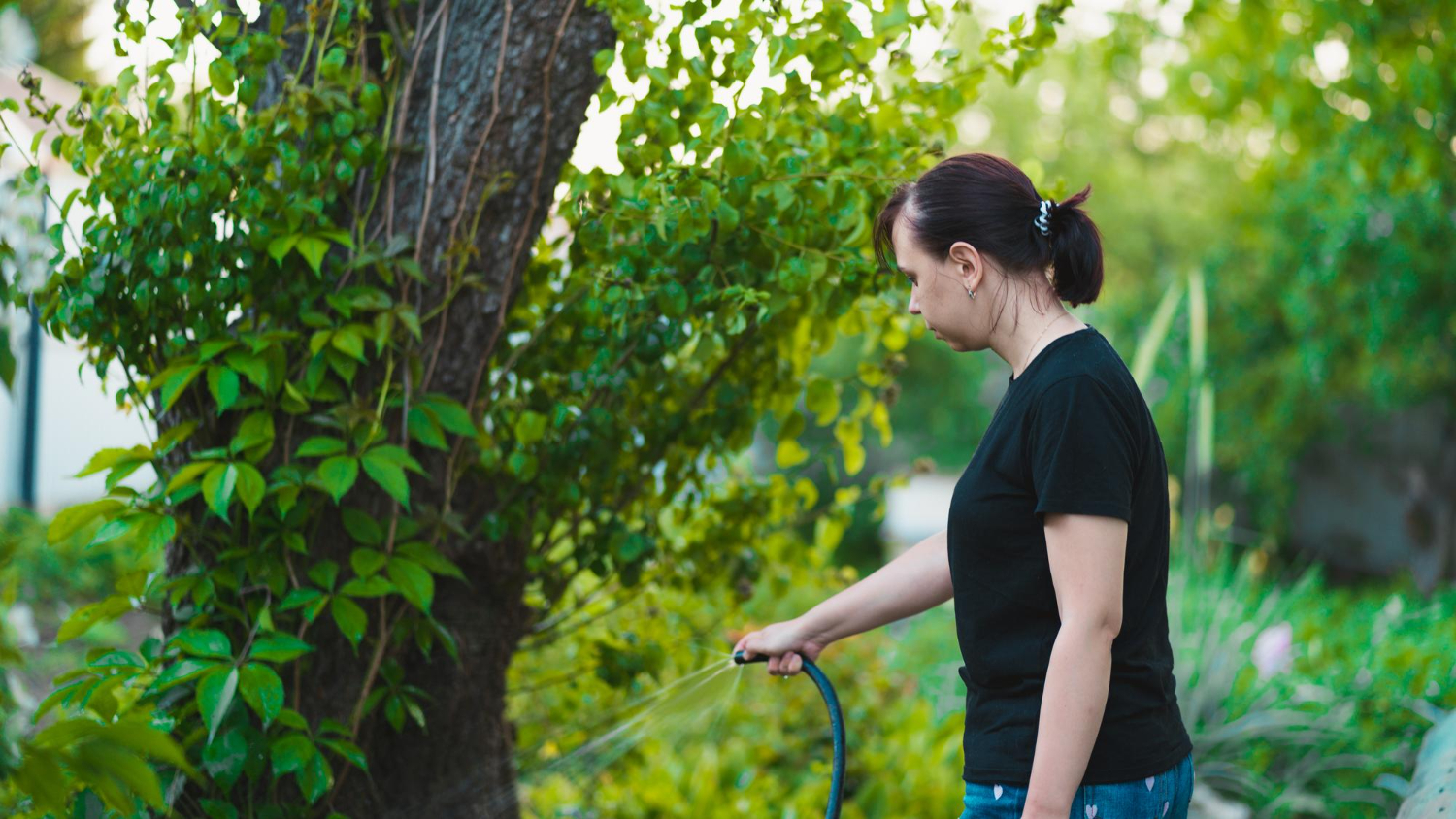
Drought stress often builds over several seasons. A tree that looks weak this spring may be reacting to last summer’s heat and limited water. That is why seasonal tree care planning is so helpful. A steady routine of appropriate watering, proper mulch, and matching tree species to your yard conditions can reduce repeated drought stress and help trees bounce back.
Our ISA Certified Arborists at Bucks Tree Service can advise you on how much and how often to water based on your specific trees, soil, and local watering rules, so you are supporting root health without overdoing it.
Seasonal Tree Care Tips for Wind and Drought
Early summer is a smart time to step back and see how your trees handled winter, spring winds, and early season dryness. Catching problems now gives you more options before the next big storm or heat wave.
To reduce wind stress, it helps to focus on:
- Proper structural pruning by an ISA Certified Arborist to remove weak, overextended limbs before storm season
- Avoiding topping and heavy DIY cutting, which often leads to weak, fast-growing sprouts that break more easily in wind
- Protecting roots by keeping heavy traffic, parking, and digging away from the root zone, so the tree stays well anchored
To cut down on drought stress, consider building these habits into your seasonal tree care with guidance from a local arborist:
- Adding a wide mulch ring under the canopy to help soil hold moisture, while keeping mulch a few centimetres away from the trunk to avoid rot
- Making sure young or newly planted trees are getting enough deep moisture during long dry spells, according to local water rules and site conditions
- Choosing tree species and planting spots that fit Edmonton’s climate, soil, and sun exposure, with guidance from an ISA Certified Arborist who understands how different species handle wind and dryness
At Bucks Tree Service, we can help create a simple, realistic seasonal tree care plan that fits your yard, your schedule, and local water rules, so trees are better prepared for both wind and drought.
Simple Ways to Tell Wind Stress From Drought
When a tree looks stressed, it is helpful to think about a few simple clues before you decide what to do next. You do not need to touch the tree or climb it, just observe from the ground.
Location clues:
- Damage mostly on one side or one section after a storm usually points to wind stress
- Even browning or thinning throughout the canopy over weeks or months leans toward drought stress
Timing clues:
- Sudden change right after a major wind event suggests wind damage
- Slow decline through a hot, dry stretch, or repeated summer dieback year after year, suggests drought
Hands-off observations from the ground:
- Stand back and look for fresh leaning, new cracks, or hanging branches, which are more likely from wind
- Notice if the tree just looks smaller and “tired,” with sparse, small leaves or dull needles, which often connects to drought
- Look at the soil surface under the tree. Very dry, cracked soil can hint at water issues, while areas that stay wet or muddy for long periods can also stress roots
These are only clues. Many trees deal with a mix of stresses, like old pruning cuts, compacted soil, wind, and drought, all at once. That is where having an ISA Certified Arborist from Bucks Tree Service look at the whole picture really helps.
When to Call an ISA Certified Arborist in Edmonton
Some signs mean it is time to stop guessing and get a professional opinion. Call an arborist if you notice:
- Hanging or broken branches of any size
- A tree that has started to lean, or soil that looks pushed up or heaved on one side of the base
- A mature tree that stops leafing out normally
- Repeated drought-like symptoms even though you have been following watering advice
- Any sign of stress in a tree that is close to your house, garage, vehicles, play areas, or power lines
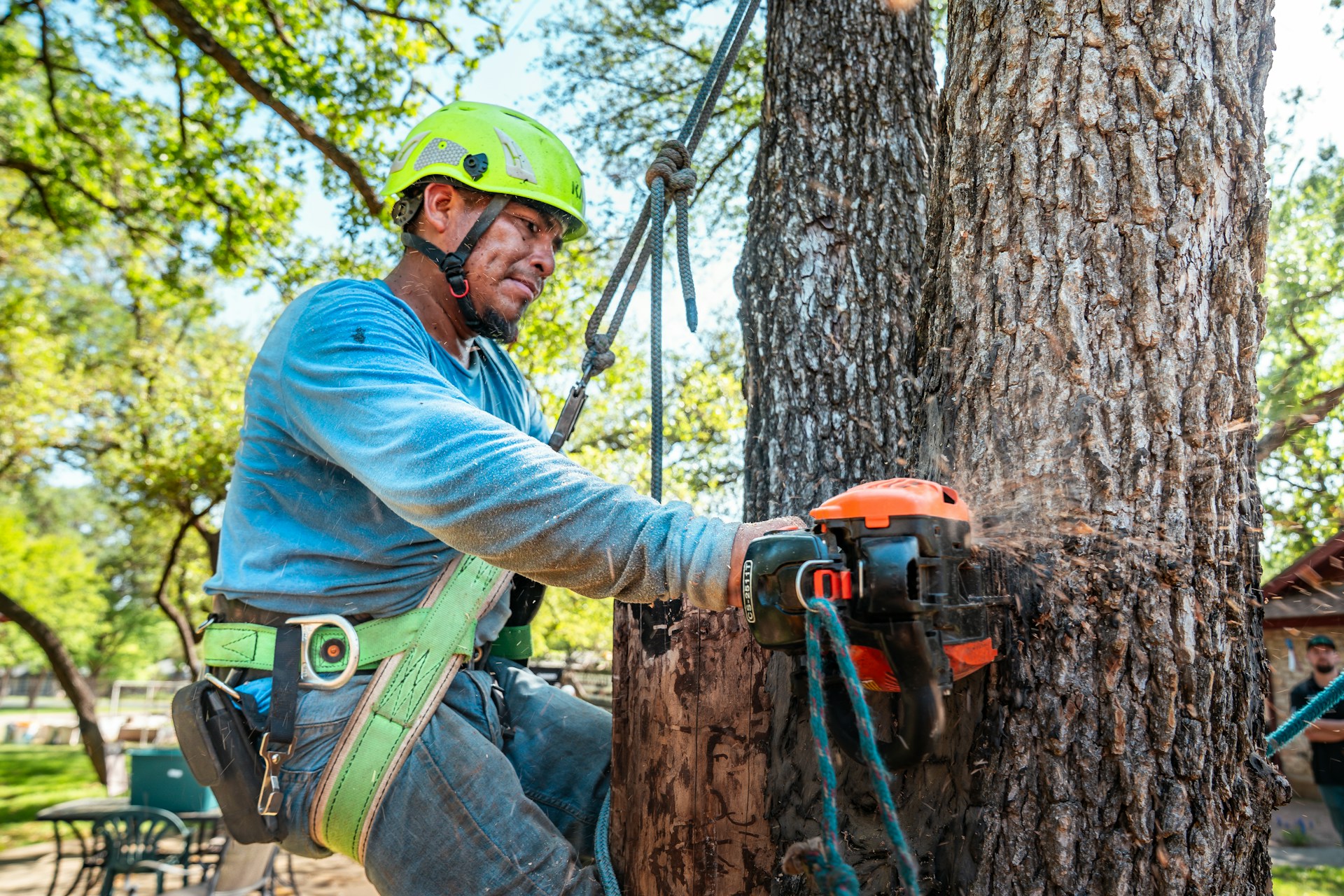
A professional tree assessment is usually done from the ground. We look at the trunk, root flare, canopy, and site conditions. We take local wind patterns, soil type, and past storms into account. There is no need for risky climbing or guesswork by the homeowner.
ISA Certified Arborists at Bucks Tree Service bring local experience with Edmonton tree species, soils, and weather. We focus on safety and clear explanations, and we give honest advice on whether a tree can likely be supported and monitored or if removal is the safest option.
Healthy, well-cared-for trees add shade, value, and beauty to your home. By learning to spot wind and drought stress early and partnering with ISA Certified Arborists for your seasonal tree care, you can help your trees stand up to our weather and avoid emergency surprises later.
Get Started With Your Project Today
If you are ready to protect your property and keep your trees healthy year-round, our team is here to help with professional seasonal tree care tailored to local conditions. At Bucks Tree Service, we assess your trees, recommend the right work for each season, and complete it safely and efficiently. Reach out today through our contact page to book a consultation or request a quote.