Healthy Trees, Safer Yards in Edmonton
Tree pruning is simply the careful cutting of selected branches so a tree can grow strong, stay healthy, and be safer to live around. For Edmonton homeowners and property managers, smart pruning helps prevent falling limbs, protects roofs and fences, keeps pathways clear, and supports better-looking yards. It can also reduce the chance of damage that might lead to insurance and liability headaches after a storm.
Our local weather adds extra stress. Long, cold winters, quick Chinooks, and clay-heavy soils are tough on roots, trunks, and branches. Trees here need thoughtful pruning that respects how they grow in this climate, not just quick trimming. At Buck’s Tree Service, we are ISA certified and fully insured, and we work with common Edmonton trees like spruce, poplar, aspen, elm, birch, apple, and more, while following local rules and bylaws.
In this article, we explain how Edmonton’s climate and soil affect tree growth, the best timing for tree pruning in Edmonton, smart pruning strategies for both young and mature trees, and when it is time to bring in a professional instead of trying it yourself.
How Edmonton Climate Shapes Tree Growth
Edmonton trees deal with a lot of weather swings. Those swings show up later as cracks, dead branches, and storm damage.
Key climate pressures include:
- Freeze and thaw cycles that cause bark and wood to expand and contract
- Late spring frosts that kill new buds and twigs
- Dry winters that pull moisture from needles and small branches
- Summer hail and strong winds that snap weak or overextended limbs
When a branch is damaged, the tree needs time and energy to seal the wound. In our long, cold winters, healing is slow. If cuts are made in the wrong place or at the wrong time, it can leave open doors for pests and disease. Topping, or cutting big limbs back to random stubs, is especially hard on trees here. It leads to fast, weak regrowth that breaks more easily under snow and wind.
Pruning too late in the season can also be a problem. Fresh cuts right before a hard freeze may not close well. That can mean more dieback in spring and more work later.
Different parts of Edmonton create different microclimates. For example:
- River valley sites may have more shelter but also heavier frost pockets
- Open, prairie-style yards in new suburbs get stronger winds and drifting snow
- Older neighbourhoods with big trees can have more shade, which slows melt and keeps ground cool
These microclimates change how wind loads and snow loads hit a tree. We look at where the tree stands and how wind moves through the yard, then prune in a way that reduces stress instead of adding to it.
Why Edmonton Soil Matters Before You Prune
Soil is the hidden half of every tree. In many Edmonton yards, especially newer ones, the soil is not friendly to roots.
Common local issues include:
- Heavy clay that holds water and then dries hard
- Soil compaction from construction and foot traffic
- Poor drainage that keeps roots sitting in wet pockets
- Thin topsoil over packed subsoil, so roots stay shallow
All of these limit root growth and stability. A tree with stressed or shallow roots is more likely to lean, heave sidewalks, or tip in strong winds.
This matters a lot before pruning. When roots are under stress, cutting too much from the canopy can throw the whole tree out of balance. Heavy thinning on a tree sitting in soft or saturated ground can increase the risk of uprooting during storms.
Before major pruning or removal, we pay close attention to:
- Root flare depth, to see if soil or mulch is piled against the trunk
- Signs of compaction, like standing water after rain or very hard ground
- Drainage patterns, including downspouts and low spots around the tree
By reading the soil and root conditions first, we can adjust how much to prune and where to keep the tree as stable and healthy as possible.
Best Timing for Tree Pruning in Edmonton
Timing is one of the most important parts of tree pruning in Edmonton. Trees respond differently to cuts in different seasons.
In general:
- Late winter to early spring, while trees are still dormant, is often best for structural pruning and larger cuts
- Mid-summer can work for light corrective pruning and removing small problem branches
- Late fall, once leaves are off, can be helpful for visibility and planning work for the dormant period
Certain species have their own timing rules. Elms are tightly controlled because of Dutch elm disease. There are local restrictions on when pruning can be done, and it is important to follow them to protect all the elms in the city. Fruit trees often do best with pruning in late winter or very early spring, which can help shape the tree and support better crops later. Spruce and other conifers respond differently than leaf trees, so they are often pruned lightly and with care to avoid removing too much at once.
Weather on the day of pruning matters too. It is best to avoid:
- Extreme cold snaps when wood is brittle and cuts can shatter
- Heat waves that add stress and water loss to already stressed trees
- Days just before typical spring storms or heavy wet snow, when fresh cuts may be exposed to sudden load or damage
Smart Pruning Strategies for Long-Lived Trees
Good pruning is not about forcing a tree into a shape. It is about guiding natural growth so the tree can stand strong for many years.
For young trees in Edmonton neighbourhoods, structural pruning is especially helpful. Early work can:
- Set a strong central leader and good branch spacing
- Reduce future breakage at weak branch unions
- Keep branches away from sidewalks, driveways, and sightlines
- Limit future conflicts with power lines and roofs
For mature trees, the focus shifts to safety and long-term health. Common goals include:
- Selective thinning to reduce wind sail without stripping the crown
- Crown cleaning to remove dead, dying, or hazardous branches
- Creating safe clearance from roofs, garages, and service lines
Correct technique matters on every cut. We aim to:
- Cut just outside the branch collar, where the tree is built to seal over
- Avoid flush cuts that slice into the trunk and slow healing
- Never top trees, since this leads to weak, fast-growing sprouts and more long-term risk
By working with the natural structure of each species, pruning supports the tree instead of fighting against it.
When to DIY and When to Call a Pro
Some simple pruning tasks can be handled by many homeowners, especially at ground level. Safer DIY work might include:
- Removing small, low branches you can reach from the ground
- Light shaping on young trees using clean, sharp hand tools
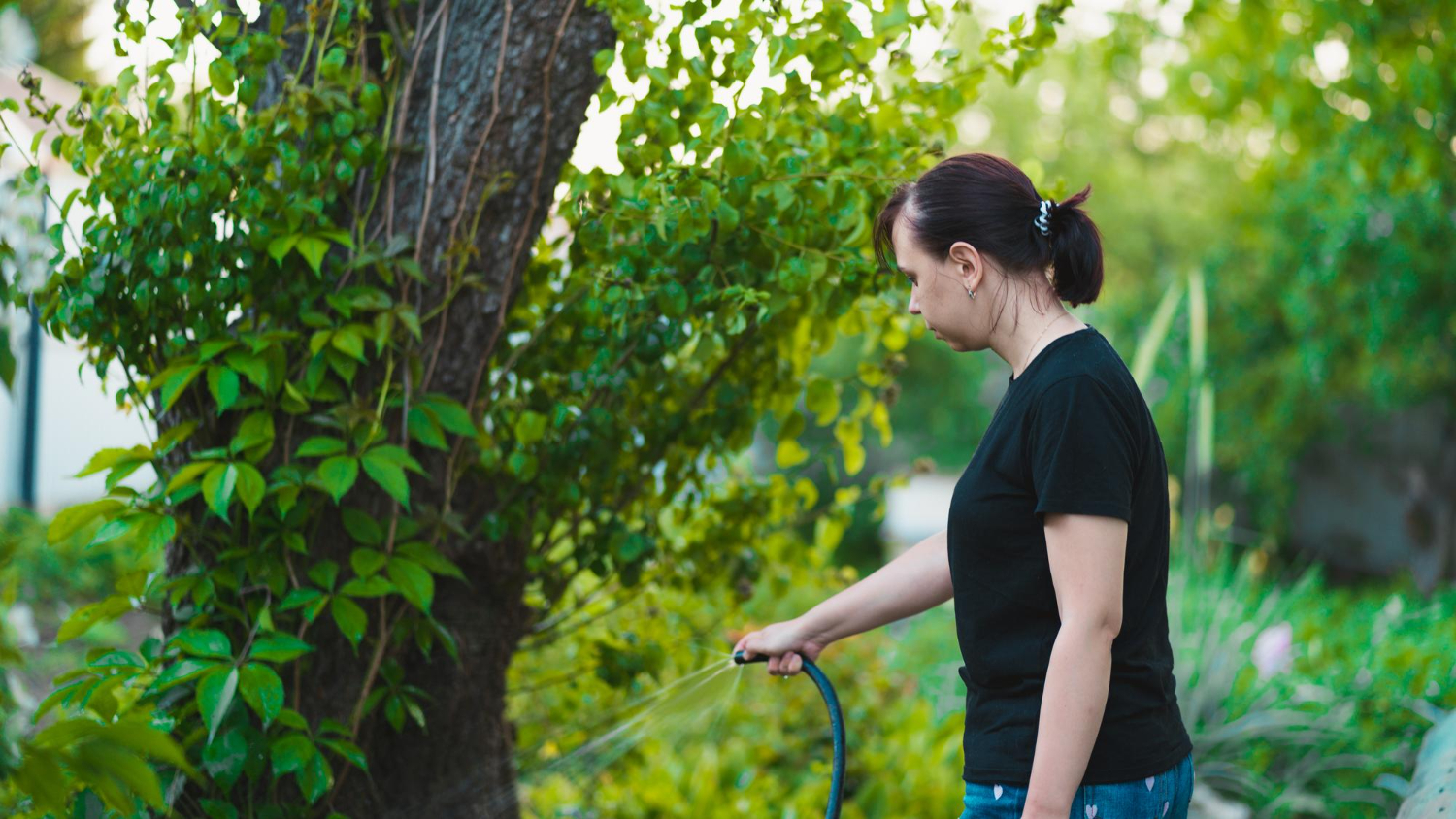
- Basic fruit tree touch-ups, such as taking out small water sprouts
Anything beyond that quickly becomes higher risk. It is time to call an ISA-certified arborist when you see:
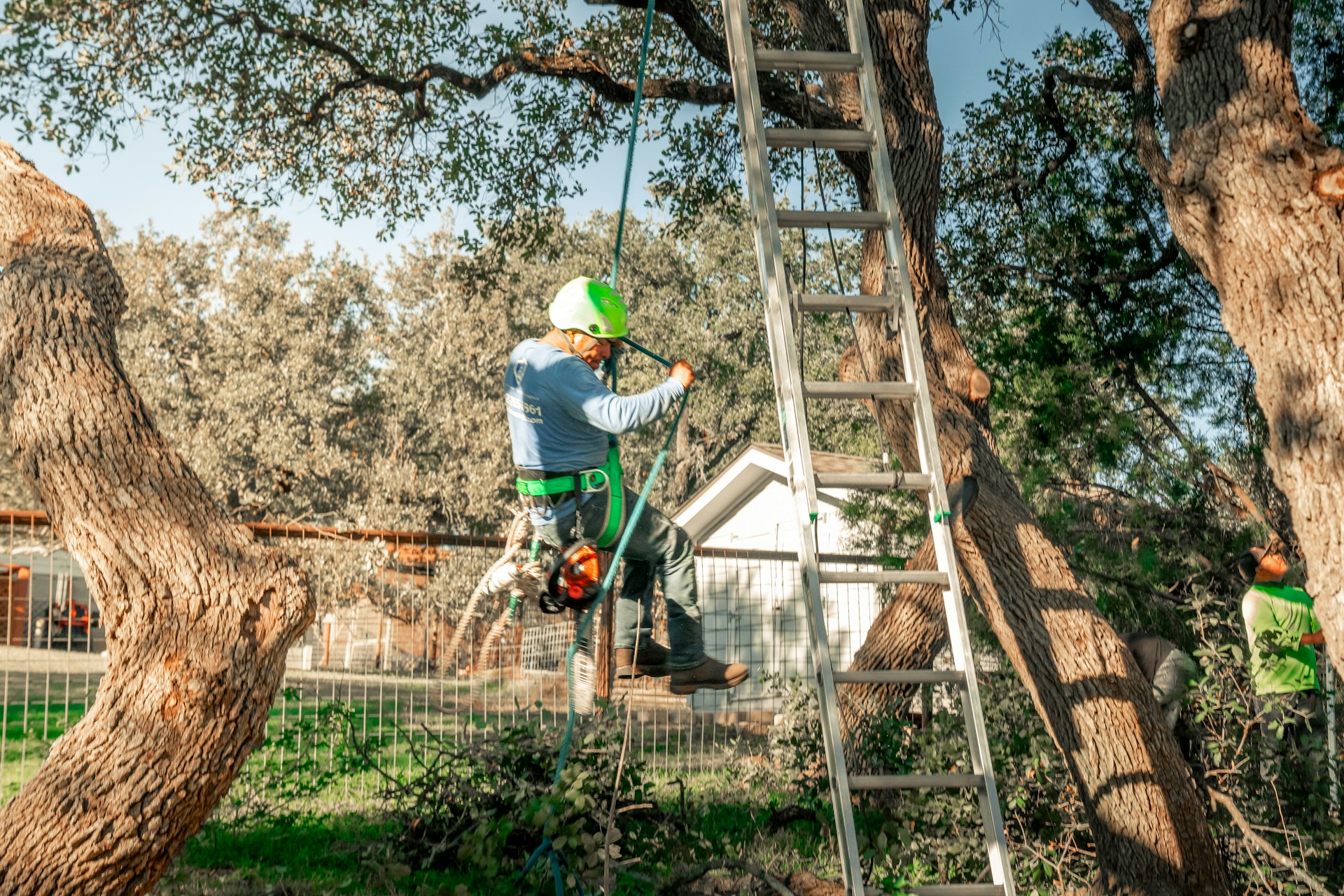
- Large branches or limbs that would require a ladder or climbing
- Branches within reach of power lines or service drops
- Cracks in the trunk or where big limbs join
- Trees that are leaning, heaving soil, or lifting sidewalks
- Storm damage, hanging branches, or partially broken limbs
At Buck’s Tree Service, we start with an on-site assessment, look at the tree, soil, and surroundings, and plan the safest way to do the work. We take care to protect lawns, gardens, and buildings, and we handle cleanup and chipping so the site is left neat and ready to enjoy.
Keep Edmonton Trees Strong with Expert Local Care
A simple walk around your yard each spring and fall can make a big difference. Look up for deadwood, crossing branches, and broken tips, and look down for soft spots, exposed roots, or soil piled against trunks. Early planning for tree pruning in Edmonton helps avoid rushed decisions after a storm.
Thoughtful, locally informed pruning is an investment in safer yards, stronger trees, and better-looking neighbourhoods that can handle our challenging climate and soil. With ISA-certified, fully insured care from Buck’s Tree Service, your spruce, poplar, aspen, elm, birch, and fruit trees can stay healthy and stable for many years to come.
Protect Your Trees With Expert Pruning Today
Healthy, well-shaped trees add value, safety, and beauty to your property, and our certified team is ready to help. If you are looking for professional tree pruning in Edmonton, we will assess your trees and recommend the right approach for long-term health. Reach out to Bucks Tree Service to schedule a convenient appointment or request a quote, and we will walk you through your options. If you prefer to send us a message, you can contact us anytime and we will get back to you promptly.