Make the Most of August for Your Trees
August is a turning point for yards in Edmonton and nearby Alberta communities. The days are still hot, nights start to cool off, and your ornamental trees are quietly telling you how their summer has gone. If you pay attention now, you can catch stress early, support healthy trees, and make smart plans for fall.
In this guide, we are focusing on practical, easy-to-spot signs in ornamental trees, like flowering crabapple, lilac trees, mountain ash, ornamental pear, Schubert chokecherry, and Japanese tree lilac. We will talk about what you can comfortably monitor yourself and when it is time to have an ISA Certified Arborist from Bucks Tree Service put expert eyes on your yard. Think of August as your seasonal tree care checkup, not a project list you have to tackle alone.
Late-Summer Checkup for Your Ornamental Trees
Ornamental trees often show stress earlier than big shade trees. Because they are smaller and sometimes more sensitive, changes can appear quickly in August if they have had a tough summer.
Common signs of stress to look for include:
- Wilting leaves that stay limp, even in the morning
- Yellowing leaves on branches that were green earlier in the season
- Early leaf drop that leaves thin or bare sections
- Dead or brown tips on branches or new shoots
These can be caused by heat, dry spells, earlier windstorms or hailstorms, or root issues. Many homeowners notice that their large spruce or poplar still looks fine, while the flowering crabapple or Schubert chokecherry is already looking tired. That is because ornamental trees often have shallower roots and less stored energy.
Not every late-season change is a disaster, though. Some light thinning of leaves and a bit of fade in colour can be normal as summer winds down. You may only need an ISA Certified Arborist from Bucks Tree Service when you see:
- Rapid decline over a week or two
- Whole branches dying back, not just tips
- One side of the tree looking much worse than the other
- Cracks in the trunk or branches that were not there earlier
If you are unsure whether what you are seeing is normal or not, it is always safer to let an ISA Certified Arborist evaluate the tree and any potential safety hazards.
Smart Watering and Mulching in August
August in Alberta often brings dry stretches that are tough on shallow-rooted ornamentals, even when the lawn is still green. Grass can stay green with light, frequent watering, but trees need moisture deeper in the soil to stay healthy.
For seasonal tree care, the way you water matters as much as how often. In most yards, trees do better with:
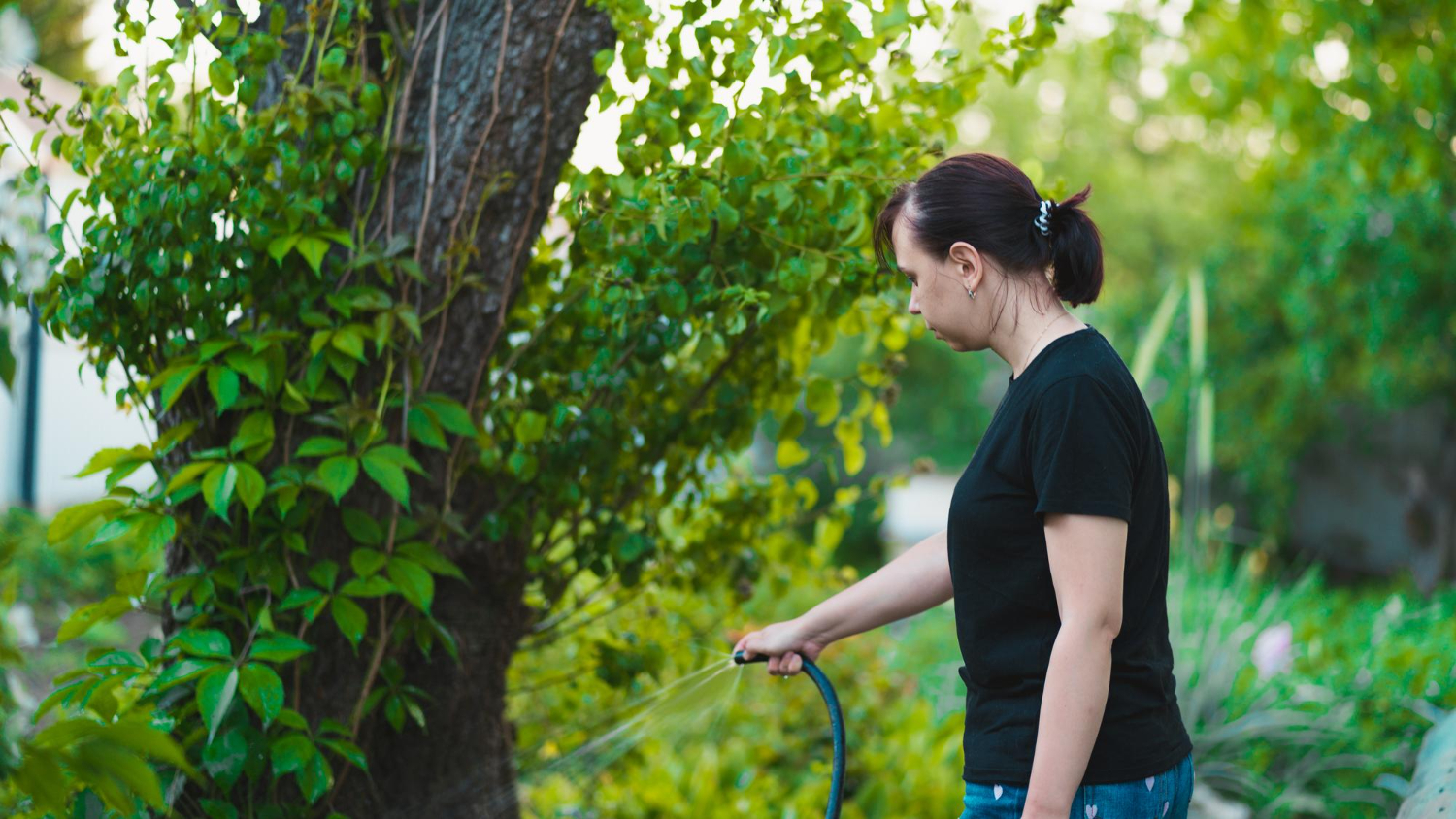
- Less frequent, deeper watering rather than quick daily sprinkles
- Water that soaks into the area under the tree’s canopy, not just at the trunk
- Extra attention during heat waves, windy periods, or after long dry spells
We are not talking about exact minutes or litres, just the idea that water should reach the main root zone. When trees only receive shallow, surface-level moisture, roots stay near the top of the soil and are more vulnerable to drought and winter injury.
Mulch is another simple tool that helps ornamental trees handle August. A proper mulch ring can:
- Keep the soil cooler on hot days
- Hold moisture for longer between waterings
- Reduce weed competition for water and nutrients
- Protect surface roots from lawnmower and trimmer damage
Mulch should sit on the soil surface, not piled against the trunk, so the base of the tree can breathe and stay dry. If you are not sure how wide or deep your mulch ring should be, or you are dealing with an established tree surrounded by lawn, an ISA Certified Arborist can walk you through options that protect the tree without creating other issues.
Pruning and Storm Safety for Ornamental Trees
August is an excellent time for a visual safety check before fall winds and early snow arrive. You do not need to climb ladders or grab tools. Simply walk around your ornamental trees and notice how the branches are arranged.
Things to watch for include:
- Branches that rub or cross each other
- Low limbs hanging over sidewalks, driveways, or play areas
- Branches reaching toward your roof, siding, or gutters
- Limbs close to service lines on your property
These problem spots can lead to damaged bark, broken branches in storms, or property damage when wet snow or high winds hit. Trees like ornamental crabapples, lilacs, and small maples can load up with fruit or dense foliage, which adds extra weight later in the season.
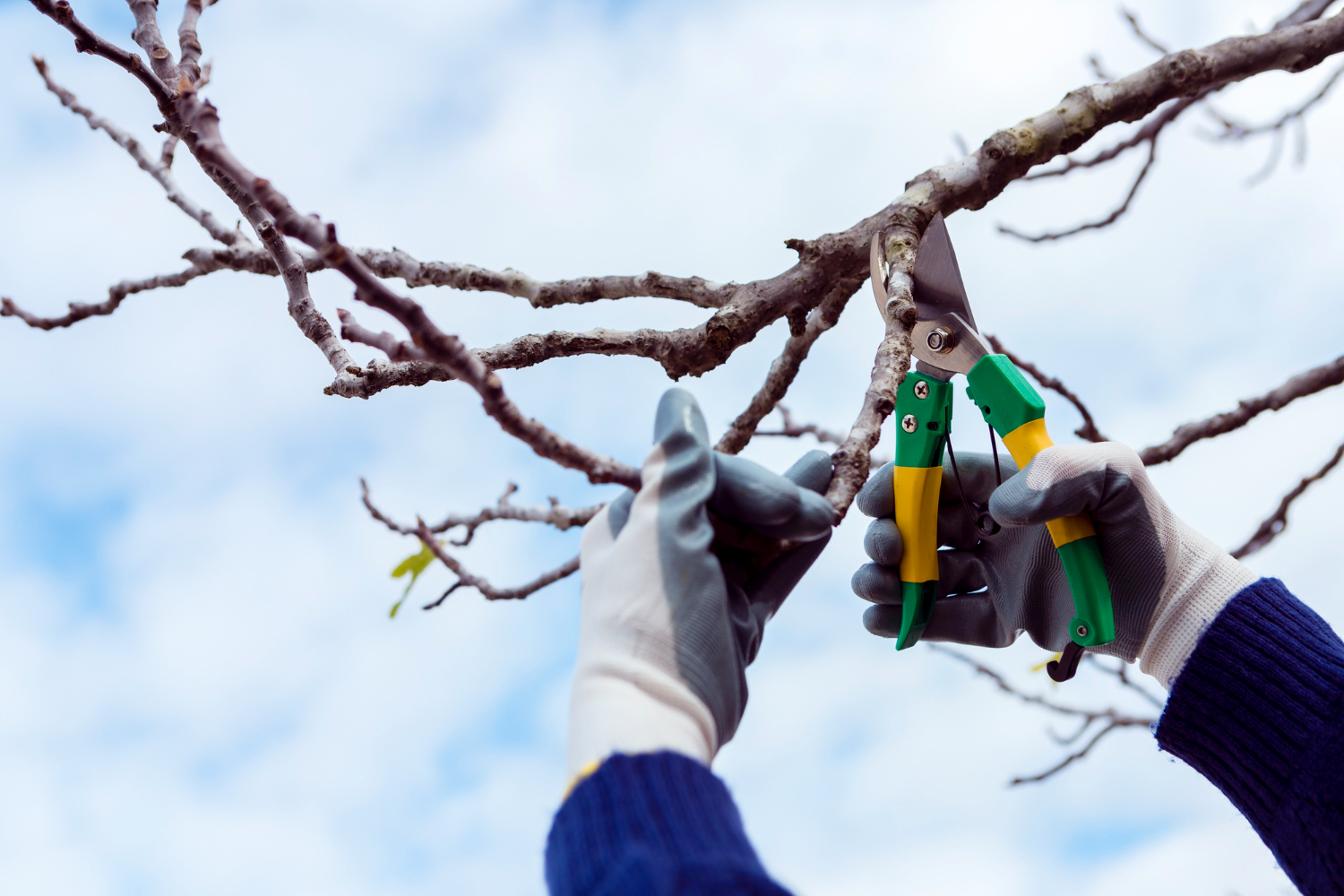
While visual checks are helpful, actual pruning and any removal work are best left to ISA Certified Arborists at Bucks Tree Service. Working with ladders, chainsaws, and heavy branches is risky, and incorrect pruning cuts can weaken a tree or invite decay. Professional pruning focuses on structure and long-term health, not just quick shaping, so your ornamental trees can handle Alberta weather more reliably.
Planning Ahead for Fall Planting and Tree Health
What you notice in August can guide your fall and next-year plans. As you walk your yard, ask yourself:
- Which ornamental trees looked strong and full all season?
- Which ones struggled with leaves, pests, or breakage?
- Are there areas where you would like more shade, privacy, or seasonal colour?
Late summer is a smart time to talk with an ISA Certified Arborist about new ornamental plantings. They can help you choose species that do well in our Alberta winters and handle freeze-thaw cycles, chinooks, and occasional early frosts. Good placement is just as important as species, especially when it comes to distance from foundations, driveways, fences, and utilities.
Preventative seasonal tree care goes beyond what you can see above ground. Depending on what your trees are showing, an ISA Certified Arborist may suggest:
- Soil health checks to see if nutrient or compaction issues are stressing roots
- Structural assessments for young ornamental trees to guide early pruning plans
- Long-term care plans so trees grow with strong form and less breakage risk
Planning now helps your yard head into fall and winter with a clear path, instead of scrambling after the first big storm.
When to Call in the Pros at Bucks Tree Service
There are times when seasonal tree care crosses the line from simple observation into something that really should be handled by a professional. Some clear signs to bring in an ISA Certified Arborist include:
- Sudden leaning or noticeable movement of the tree in the soil
- Large dead branches, especially above areas where people walk or park
- Peeling or loose bark exposing bare wood on the trunk
- Visible cracks in major limbs or the trunk
- Mushrooms or fungal growth at the base of the tree or on large roots
You do not need to figure out exactly what is wrong or how serious it is. That is our job. Your role is to notice when something looks off and to avoid risky DIY work, especially with ladders or power tools.
August and early fall are ideal times for us to assess ornamental trees, plan pruning or removals if needed, and talk about new tree planting that fits your yard and Alberta’s climate. With a thoughtful seasonal tree care approach and the support of ISA Certified Arborists at Bucks Tree Service, your ornamental trees can stay attractive, safer, and better prepared for the seasons ahead.
Protect Your Trees Year-Round With Expert Seasonal Care
When your trees get the right attention at the right time, they stay healthier, safer, and more attractive in every season. At Bucks Tree Service, we provide tailored seasonal tree care that fits your property, local climate, and long-term goals. If you are ready to plan maintenance before issues become costly problems, reach out and let us assess your trees. To book a visit or request a quote, simply contact us today.