
Wildfires are a serious threat, especially, especially in Alberta’s forested areas near Edmonton, Spruce Grove, Devon, Parkland County, and Beaumont. Many homeowners underestimate how simple yard maintenance can reduce this risk. This guide covers fire mitigation techniques to protect your property and community.
Key Takeaways
- Establishing firebreaks significantly reduces wildfire risks around your property
- Regularly clearing debris lowers fire hazards by minimizing fuel accumulation
- Monitoring and trimming trees prevents overgrowth that can facilitate fire spread
- Implementing efficient irrigation systems keeps plants hydrated and reduces fire vulnerability
Fire Mitigation Techniques for Your Yard
Implementing effective fire mitigation techniques in your yard can significantly enhance wildfire safety.
Regularly Clear Leaves and Debris
Leaves and debris act as fuel for wildfires. Setting a monthly schedule for clearing these materials improves safety and keeps your landscape healthy. Use compost bins or local collection sites for responsible disposal.
Engaging with local community forums, like Reddit, can provide additional insights and tips on best practices for debris management and keeping your yard safe from fires:
- Establish a routine for cleaning leaves.
- Create a compost pile for organic waste to reduce clutter.
- Share your experiences and learn from others in online communities.
- Consider the use of fire-resistant plants in your landscape design.
Monitor and Trim Trees
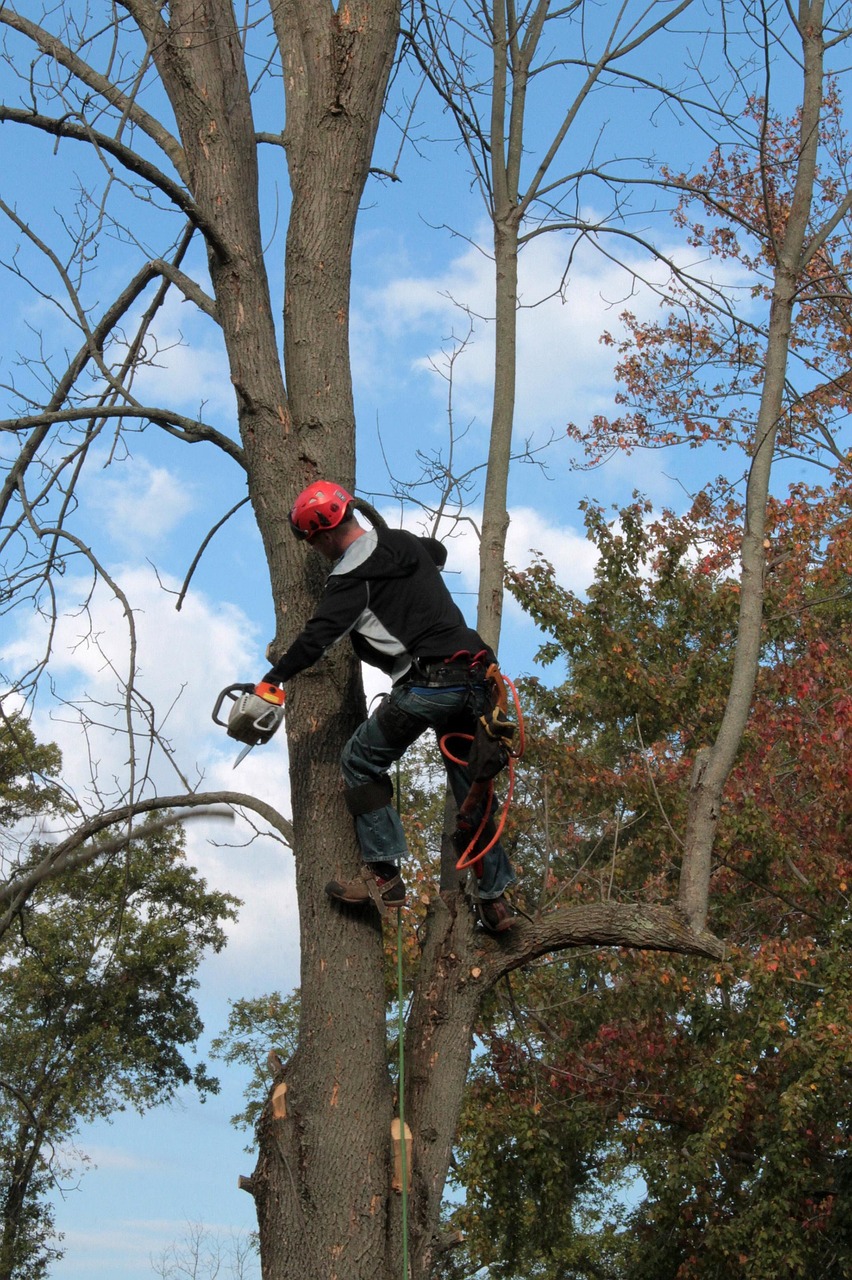
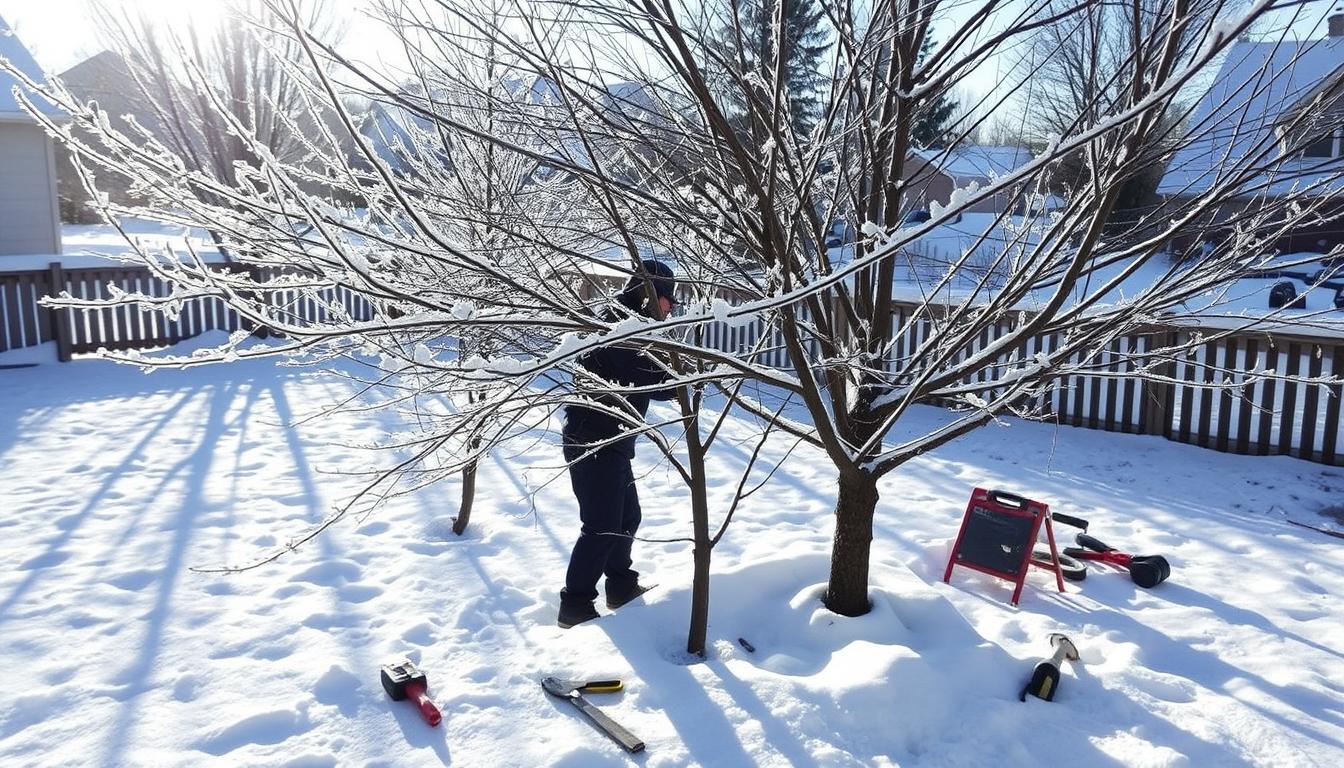
Overgrown trees can create fire pathways, increasing wildfire risks. The Government of Alberta recommends maintaining a safe distance between trees and structures. We suggest keeping branches trimmed at least 10 feet from roofs, removing dead trees, and eliminating “ladder fuels”—small plants that help flames climb. Regular pruning enhances both safety and curb appeal.
If you have specific questions or need expert advice, consider reaching out via email to local fire prevention departments or professionals for tailored guidance and assistance:
Install Irrigation Systems
Proper watering keeps plants healthy and less vulnerable to wildfires. Smart irrigation systems provide targeted hydration, reducing dry vegetation and fire risks, especially in drought-prone areas.
Create Windbreaks for Protection
Strategically placing trees and shrubs around your property slows fire spread. Opt for native plants that require less maintenance and provide ecological benefits.
Use Fire-Resistant Fencing Materials
Materials like concrete, metal, and fire-retardant wood create a barrier against flames and embers. Investing in fire-resistant fencing adds an extra layer of protection for your home.
Practice Regular Maintenance for Wildfire Safety
To maintain wildfire safety, Buck’s Tree Service schedules seasonal inspections, removing hazardous waste, watering regularly, and training the household on fire protocols. We also document improvements—critical in fire-prone areas like northern Alberta, Slave Lake, and Yellowknife.
Schedule Seasonal Inspections
Assess fire hazards like overgrown vegetation and dry debris. Community resources can provide updated wildfire prevention strategies.
Proper Removal of Hazardous Waste
Dead branches, dried leaves, and non-native plants can be fire hazards. Use compost bins, disposal sites, or community collection events to safely remove them.
Regular Watering to Reduce Dry Vegetation
Hydrated plants are less likely to ignite. Watering during cool hours—morning or evening—enhances absorption while conserving resources.
Assess Risk Areas in Your Yard
Identify high-risk zones, such as clustered trees or dry shrubs, and take proactive steps to reduce fire hazards.
Train Household Members on Fire Safety
Teach fire safety protocols, establish a family meeting point, and practice emergency drills. Knowing how to use fire extinguishers and where to find emergency contacts ensures preparedness.
Document Safety Improvements
Keep track of maintenance tasks like tree trimming and debris removal. Reviewing these records helps refine strategies and share insights with neighbors for a safer community.
FAQs
What are effective fire mitigation techniques for my yard?
Maintain defensible space by clearing debris, trimming vegetation, and using fire-resistant plants.
How can I maintain my yard for wildfire safety?
Regularly prune trees, remove dead plant material, and use fire-resistant landscaping materials.
Why is regular yard maintenance important for fire prevention?
Regular yard maintenance is essential for fire prevention, as it minimizes dry fuel sources, maintains defensible space, and enhances overall fire safety.
What plants are best for reducing wildfire risk in landscaping?
Drought-resistant, low-resin plants like lavender, sage, yarrow, and ornamental grasses create a safer landscape.
How often should I inspect my property for fire hazards?
At least twice a year and after extreme weather events.