The harsh winters of Alberta can pose significant challenges to the health of elm trees, making it crucial for homeowners and arborists to understand effective care strategies. This article will guide you through the common winter damages that elm trees face, how to prevent and manage Dutch Elm Disease, and the best winter pruning techniques to promote recovery. By addressing these key areas, you can ensure your elm trees remain healthy and vibrant despite the challenges posed by winter conditions. We will also discuss when to seek professional “tree care services”, particularly from experts who specialize in tree maintenance and emergency services.
What Are the Common Winter Damages to Elm Trees in Alberta?
Elm trees in Alberta are susceptible to various types of winter damage, which can significantly impact their health and longevity. Understanding these damages is essential for effective tree care and recovery strategies. Common winter damages include bark cracking, branch dieback, and leaf discoloration, all of which can weaken the tree and make it more vulnerable to diseases.
How Does Alberta’s Harsh Winter Affect Elm Tree Health?
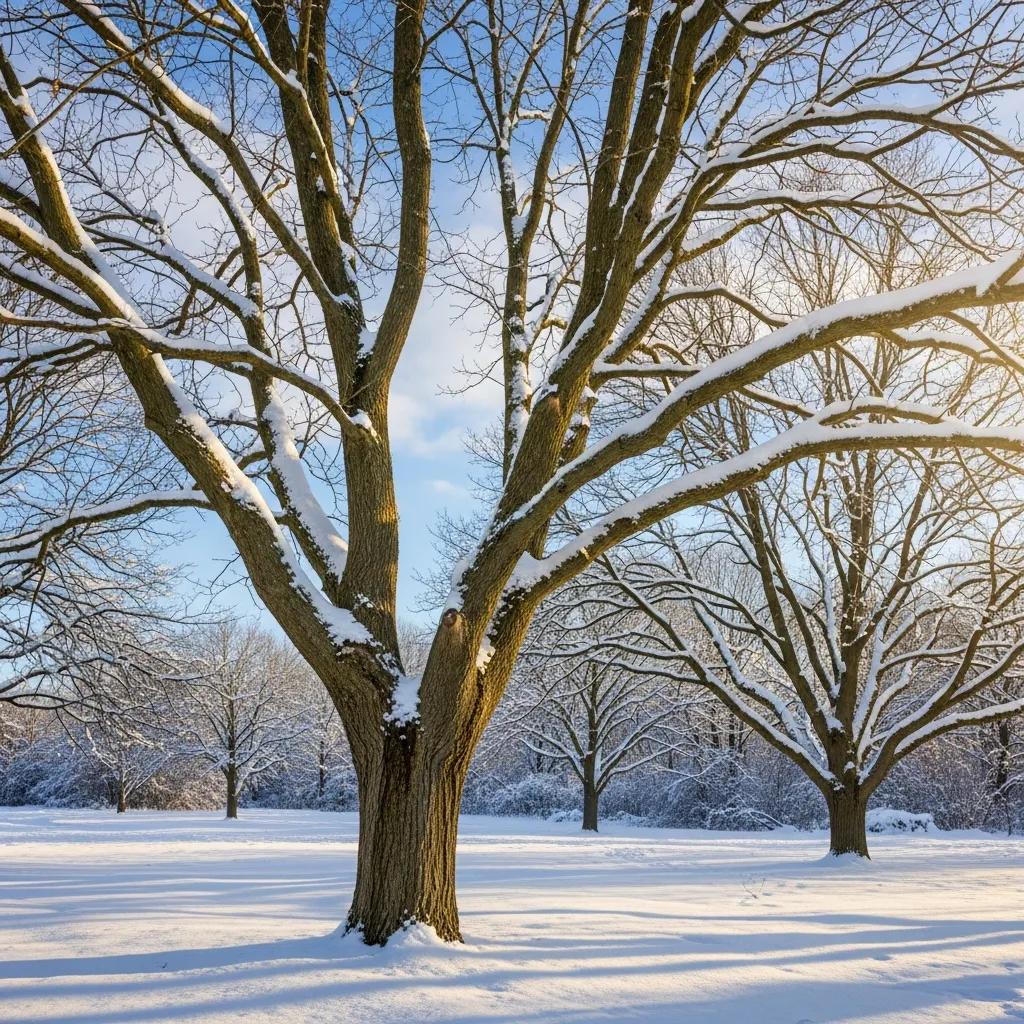
Alberta’s harsh winter conditions can severely affect the health of elm trees. Extreme cold temperatures can lead to frost damage, causing the bark to crack and exposing the inner wood to pathogens. Additionally, heavy snow loads can stress branches, leading to breakage and dieback. These factors can compromise the tree’s overall health, making it essential to monitor and address any signs of distress promptly.
Understanding the specific challenges of low-temperature injury, especially to roots, is vital for effective recovery strategies.
What Are the Signs of Winter Injury on Elm Trees?
Identifying signs of winter injury on elm trees is crucial for timely intervention. Common indicators include:
- Bark Cracking: Visible splits or cracks in the bark can indicate frost damage.
- Leaf Discoloration: Yellowing or browning of leaves may suggest stress or damage.
- Branch Dieback: Dead or dying branches can signal severe winter injury.
Recognizing these signs early can help in implementing effective care strategies to support recovery.
How Can You Prevent and Manage Dutch Elm Disease in Alberta?
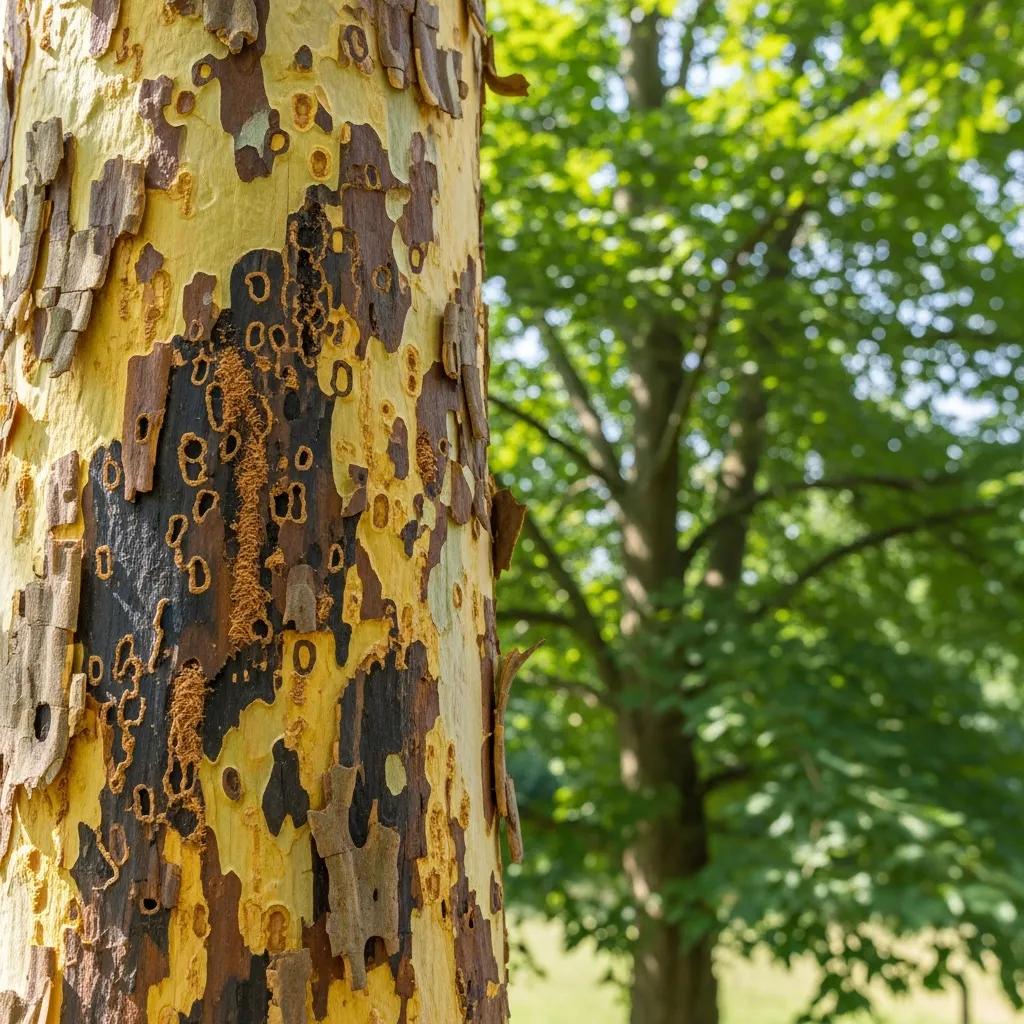
Dutch Elm Disease (DED) is a significant threat to elm trees in Alberta, and understanding its prevention and management is vital for tree health. This disease is caused by a fungus that spreads through beetles and infected wood, making it essential to take proactive measures.
Organizations like STOPDED play a crucial role in safeguarding Alberta’s elm population from the devastating effects of Dutch Elm Disease.
What Causes Dutch Elm Disease and How Does It Spread?
Dutch Elm Disease is primarily caused by the fungus Ophiostoma novo-ulmi, which is transmitted by elm bark beetles. The beetles carry the spores from infected trees to healthy ones, leading to rapid spread. Environmental factors, such as drought stress, can also increase a tree’s susceptibility to the disease.
Which Prevention Methods Protect Elm Trees from Dutch Elm Disease?
To protect elm trees from Dutch Elm Disease, consider the following prevention methods:
- Regular Inspections: Conduct routine checks for signs of disease or beetle activity.
- Proper Pruning: Remove dead or infected branches promptly to reduce disease spread.
- Sanitation Practices: Dispose of infected wood properly to prevent beetle breeding.
Implementing these strategies can significantly reduce the risk of DED in your elm trees.
What Are the Best Winter Pruning and Care Techniques for Elm Trees?
Winter pruning is an essential practice for maintaining the health of elm trees. Proper techniques can promote recovery and enhance growth in the spring.
The importance of proper pruning, particularly for younger trees, cannot be overstated in promoting long-term health and resilience.
When Is the Optimal Time to Prune Elm Trees in Alberta?
The best time to prune elm trees in Alberta is during the late winter months, typically from late February to early March. Pruning during this period minimizes the risk of disease transmission, as the elm bark beetles are not active. This timing also allows for better healing before the growing season begins.
How to Perform Winter Pruning to Promote Elm Tree Recovery?
When performing winter pruning, follow these steps to ensure effective care:
- Use Clean Tools: Always use sterilized pruning tools to prevent disease spread.
- Make Clean Cuts: Cut branches at a slight angle to promote healing and reduce water accumulation.
- Remove Dead or Damaged Wood: Focus on removing any dead, diseased, or damaged branches to improve overall tree health.
These techniques will help your elm trees recover effectively from winter stress.
When and How Should You Contact Professional Tree Care Services in Alberta?
Knowing when to seek professional help is crucial for maintaining the health of your elm trees. Professional tree care services can provide expert assessments and treatments that may be beyond the capabilities of a homeowner.
What Emergency Tree Services Are Available for Winter Damage?
In the event of severe winter damage, emergency “tree services” can assist with:
- Tree Removal: Safely removing damaged or fallen trees to prevent hazards.
- Branch Trimming: Pruning broken branches to reduce further injury.
- Health Assessments: Evaluating tree health and recommending treatments.
How Do Local Experts Assess and Protect Elm Trees After Winter?
Local experts utilize various assessment techniques to evaluate the condition of elm trees after winter. They may check for signs of disease, structural integrity, and overall health. Based on their findings, they can recommend appropriate care strategies, including pruning, disease management, and ongoing maintenance.
By understanding these aspects of elm tree care, you can take proactive steps to protect your trees from the harsh Alberta winter and ensure their long-term health and vitality.
Conclusion
Protecting your elm trees from the harsh Alberta winter is essential for their long-term health and vitality. By understanding common winter damages, implementing effective care strategies, and managing threats like Dutch Elm Disease, you can ensure your trees thrive. Regular maintenance and timely professional assistance can make a significant difference in their recovery and resilience. Take the next step in safeguarding your elm trees by exploring our expert tree care services today.