Are your cherry trees showing signs of Black Knot Fungus? This common issue can severely affect the health of your trees. In this blog post, we’ll guide you through effective Black Knot Fungus pruning techniques specifically for Alberta’s cherry trees. We will discuss the impact of this fungus, the importance of strategic pruning, and prevention methods to keep your trees thriving. By the end, you will understand how to manage and reduce the effects of Black Knot Fungus, ensuring your cherry trees remain healthy in the face of Edmonton’s winters.
Key Takeaways
- Regular inspections help identify black knot fungus early for proactive management
- Pruning infected branches is crucial to prevent the spread of black knot fungus
- Apply lime sulfur treatment after pruning to discourage further fungal infections
- Use clean tools and disinfect them to minimize the risk of spreading spores
- Implement healthy landscaping practices to promote air circulation and reduce moisture around trees
Understanding Black Knot Fungus and Its Impact on Cherry Trees in Alberta
Black knot fungus is a serious threat to cherry trees in Alberta, identifiable by its dark, gnarled growths. Understanding its life cycle helps in managing infestations effectively. We’ll discuss the signs of infection on trees, enabling you to identify issues early in your garden. Addressing these aspects is crucial for maintaining the health of your trees.
Description of Black Knot Fungus
Black knot fungus, scientifically known as Apiosporina morbosa, manifests as dark, twisted galls on cherry trees, significantly impacting their health. As an arborist, we’ve observed that these galls can compromise the structural integrity of the tree, making it more susceptible to other pests and diseases. While primarily affecting Prunus species like plum trees, the spread to cherries in Alberta can be managed through timely pruning and the application of fungicides to prevent further outbreaks.
Signs of Infestation on Cherry Trees
When inspecting cherry trees for signs of black knot fungus, Buck’s Tree Service often looks for dark, gnarled growths that can develop on the wood, indicating an infection. These symptoms can also lead to weakened branches, making the tree more vulnerable to insect infestations and other diseases. It’s essential to monitor any affected trees closely, as the galls can produce spores that may threaten nearby prunus virginiana trees and contribute to spreading the fungus. Early identification and timely intervention through pruning and possibly applying herbicide can significantly improve the health of your trees.
Importance of Pruning for Black Knot Management
Timely pruning plays a crucial role in managing black knot fungus on cherry trees. It helps prevent the spread of this harmful plant disease, reducing the risk of infection from spores carried by wind or other means. We’ll outline the benefits of effective pruning, the best times for tackling the disease, and how these practices can protect nearby prunus americana species, like apricot trees.
Benefits of Timely Pruning
Timely pruning removes Black Knot Fungus from cherry trees, protecting the trunk and promoting healthy growth. It also reduces spore spread and strengthens trees against pests. Applying sulfur treatment post-pruning helps prevent reinfection, keeping cherries thriving in Alberta’s climate.
How Pruning Affects Fungus Spread
Pruning is essential for managing Black Knot Fungus on cherry trees, as it prevents spore spread. Removing infected branches entirely reduces the risk of infecting nearby trees. Follow up with a pesticide application to protect Prunus americana and other susceptible species.
Best Times for Pruning Cherry Trees
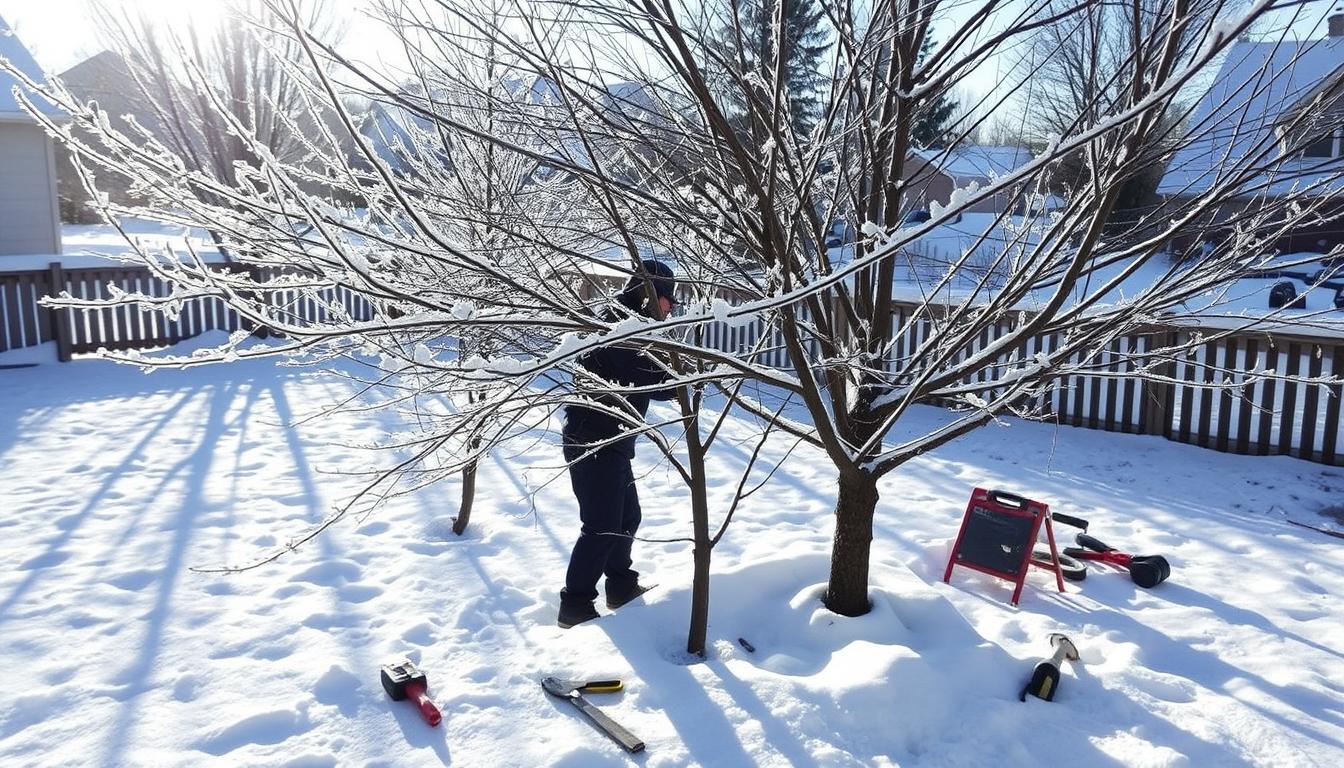
The best time for pruning cherry trees to manage black knot fungus is during late winter or early spring before new buds emerge. We find that this timing helps minimize stress on the tree and reduces the risk of attracting pests that may take advantage of open wounds. After pruning, we recommend applying a lime sulfur treatment to any cut branches, which not only aids in the healing process but also helps deter future fungal infections as the trees begin to grow anew.
Preventing Black Knot Fungus in Alberta’s Cherry Trees
To effectively prevent black knot fungus in Alberta’s cherry trees, we emphasize the importance of best practices for tree health, which include regular monitoring and maintenance of your trees. Implementing these strategies will help safeguard your trees from rain-related issues, ensuring their vitality.
FAQ Black Knot Fungus
What is black knot fungus, and how does it affect cherry trees?
Black knot fungus is a disease affecting cherry trees, characterized by dark, swollen growths on branches. This fungus can weaken trees, leading to reduced vigor and, in severe cases, tree decline or death if left untreated.
Why is pruning important for managing black knot fungus?
Pruning is crucial for controlling black knot fungus as it removes infected branches, reducing spore spread and improving air circulation. This practice enhances tree health by promoting better growth and minimizing future outbreaks of this harmful disease.
How can I identify black knot fungus on my cherry trees?
To identify black knot fungus on your cherry trees, look for dark, elongated galls on branches and twigs. These galls often become rough and may eventually rupture, exposing black spores. Regular monitoring can help manage this issue effectively.
What are the best times to prune cherry trees affected by black knot?
The best times to prune cherry trees affected by black knot are late winter and early spring before new growth begins. This timing helps reduce fungal spread and promotes healthy regrowth. Always ensure to sterilize your tools after pruning.
How can I prevent black knot fungus in my cherry trees?
To prevent black knot fungus in cherry trees, maintain proper pruning practices, ensure good air circulation, and apply fungicides as needed. Regular inspections for early signs of infection can help manage this issue effectively.